What the Inspector Found: Reading American Home Inspection Reports Through Japanese Eyes
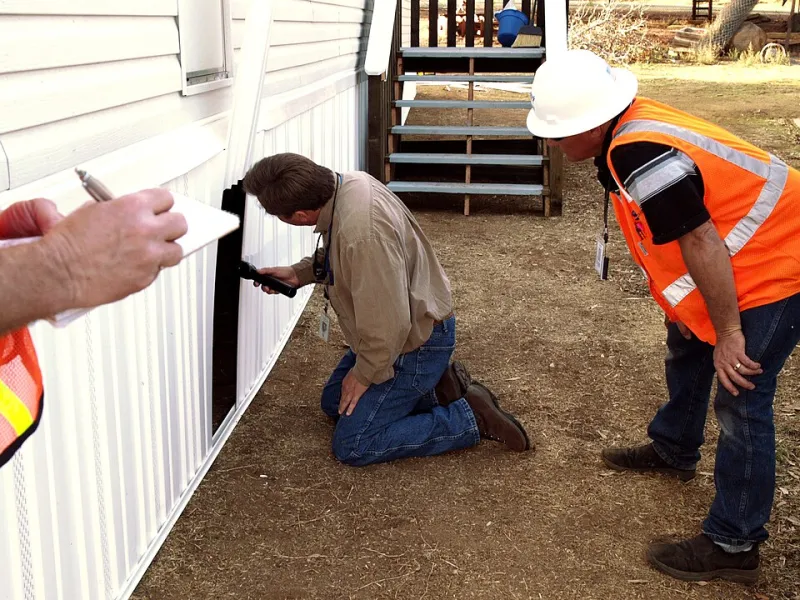
Photo: Amanda Bicknell, Public domain, via Wikimedia Commons
For many Japanese buyers navigating the American real estate process, the home inspection arrives as one of the most disorienting moments in the entire transaction. The report lands in your inbox—often running forty, sixty, even eighty pages—filled with photographs, color-coded severity ratings, and terminology that does not translate neatly into any framework you may have encountered in Japan. Items that seem cosmetic are flagged urgently. Structural elements that would trigger immediate concern in a Japanese context barely appear. The experience can feel like reading a building's biography written in a foreign dialect.
Understanding why American inspections work the way they do—and what their findings actually mean for your purchase decision—is not merely a procedural exercise. It is an essential act of financial self-protection.
Why the Standards Are So Different
Japanese residential construction operates within one of the most rigorous regulatory environments in the world. Following the major seismic events of recent decades, Japan's building codes were substantially strengthened, and post-construction inspections by government-affiliated bodies have become increasingly systematic. Japanese buyers often arrive in the United States with an implicit assumption that a certified home, particularly one built in the last twenty or thirty years, has been held to similarly exacting standards.
American construction, however, is governed by a patchwork of local and state codes that vary significantly from one jurisdiction to another. A home in Texas was built under different requirements than one in Oregon or Massachusetts. More importantly, the American home inspection industry is a private-sector profession, not a government function. Inspectors are hired by the buyer, not the municipality, and their mandate is to identify visible, accessible deficiencies at a single point in time—not to certify that a home meets any particular standard.
This distinction matters enormously. An American inspection report is not a pass/fail document. It is a snapshot of observed conditions, and interpreting it requires judgment, not just literacy.
What American Inspectors Prioritize
American inspectors are trained to flag issues across a wide spectrum of severity, and their reports often blend genuinely serious structural concerns with routine maintenance observations. For Japanese buyers accustomed to more categorical assessments, this can create confusion about what actually requires action.
Roof condition tends to receive significant attention in American reports, often more than Japanese buyers anticipate. Roof replacement in the United States is expensive—typically ranging from $10,000 to $30,000 or more depending on size and materials—and inspectors will note remaining useful life estimates, damaged shingles, flashing problems, and signs of prior water infiltration with considerable care. A flagged roof is rarely cosmetic.
Electrical systems present another area where American inspections diverge sharply from Japanese expectations. Older homes in the United States may contain aluminum wiring, Federal Pacific electrical panels, or knob-and-tube wiring—all of which carry documented safety risks and may affect insurability. Japanese buyers often underestimate these findings because electrical infrastructure is largely invisible and therefore feels abstract. In practice, panel replacements and rewiring projects can run into tens of thousands of dollars.
HVAC systems—the heating, ventilation, and air conditioning equipment that is central to American home comfort—receive detailed scrutiny. Japan's approach to climate control differs considerably from the American reliance on centralized forced-air systems, and buyers unfamiliar with these systems may not grasp why an aging furnace or a refrigerant leak carries such financial significance. A full HVAC replacement can easily exceed $10,000 to $15,000.
Foundation and crawl space conditions are examined carefully, particularly in regions prone to moisture intrusion or soil movement. Signs of water infiltration, efflorescence on concrete block, or wood rot in subfloor framing are taken seriously—and rightly so. These are the findings that tend to escalate in cost when left unaddressed.
What May Surprise You About Lower-Priority Items
Equally revealing is what American inspectors treat as relatively minor. Hairline cracks in drywall, imperfect caulking around bathroom fixtures, and minor grading issues near the foundation are commonly noted but rarely treated as urgent. Japanese sensibilities around interior finish quality are generally quite high, and buyers may find themselves more troubled by cosmetic imperfections than the inspector's severity rating suggests is warranted.
This is an important recalibration. Cosmetic issues in American real estate are typically negotiable in price but rarely represent structural risk. Focusing negotiating energy on finish quality while overlooking a twenty-year-old furnace or a compromised roof would be a misallocation of concern.
How to Use the Report in Your Negotiation
American purchase contracts typically include an inspection contingency period during which buyers may request repairs, negotiate a price reduction, or withdraw from the transaction entirely. This window—often seven to fourteen days—is your primary point of leverage, and how you use it requires strategic thinking.
A useful framework is to separate inspection findings into three categories: items that represent genuine safety or structural risk, items that represent significant near-term capital expenditure, and items that are routine maintenance in nature. The first two categories warrant serious negotiation. The third generally does not—and pressing sellers on minor items can damage goodwill without meaningful financial benefit.
It is also worth noting that sellers in competitive markets may resist repair requests in favor of price concessions or credits at closing. A closing credit can actually be preferable, as it allows you to choose your own contractors and manage the work on your own timeline.
When Walking Away Is the Right Decision
There are circumstances in which the appropriate response to an inspection report is to withdraw from the purchase entirely. This is not a failure of negotiation—it is the inspection contingency functioning exactly as intended.
Serious foundation compromise, evidence of active water intrusion into living spaces, major roof failure combined with interior damage, or the discovery of environmental hazards such as asbestos or significant mold growth are all conditions that may justify reconsidering the transaction. The question is not whether these problems can be remedied—most can—but whether the cost, complexity, and uncertainty of remediation are consistent with your financial position and risk tolerance.
Japanese buyers sometimes feel reluctant to walk away after investing significant time and emotional energy in a property. This is understandable. But the inspection contingency exists precisely to protect buyers from making irreversible commitments based on incomplete information. Using it is not a breach of courtesy. It is sound financial stewardship.
Building Your Inspection Team
The quality of your inspection experience depends heavily on the inspector you select. In the United States, inspectors are licensed at the state level, and qualifications vary. Look for inspectors certified by recognized national organizations such as the American Society of Home Inspectors (ASHI) or the International Association of Certified Home Inspectors (InterNACHI). Ask your real estate agent for referrals, but also seek independent recommendations—ideally from buyers rather than sellers' agents.
For older properties or those with specific concerns, consider supplementing the general inspection with specialists: a licensed structural engineer for foundation questions, a roofing contractor for detailed roof assessment, or an environmental inspector if asbestos or mold is suspected. These additional costs are modest relative to the information they provide.
At 安心住まい, we believe that peace of mind in homeownership begins long before you receive the keys. The inspection process is not a bureaucratic formality—it is your clearest opportunity to understand exactly what you are purchasing. Approach it with curiosity, take the time to ask questions, and do not hesitate to seek expert guidance when the findings require it. A home that holds no hidden surprises is a home where you can truly feel at ease.