One Roof, Many Generations: A Practical Guide to Multigenerational Homes for Japanese Families in America
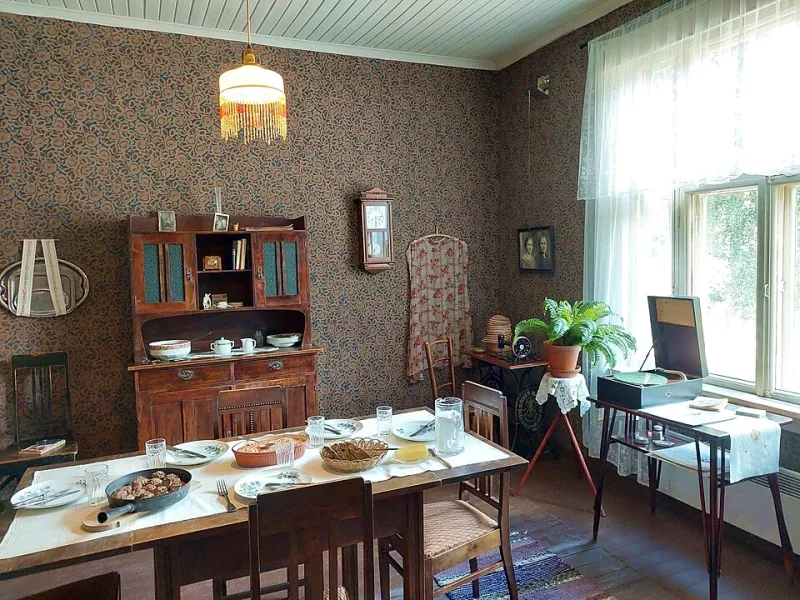
Photo: Tungsten, CC0, via Wikimedia Commons
In Japan, the multigenerational household is not a trend. It is, in many respects, a cultural inheritance — an arrangement shaped by geography, economics, and a philosophy that regards the care of aging parents as an expression of family integrity rather than a logistical burden. The Japanese concept of ie, or household, carries a sense of continuity across generations that extends well beyond the nuclear family unit.
In the United States, this way of living fell out of fashion for much of the twentieth century, displaced by suburban ideals of independence and mobility. But something has shifted. According to the Pew Research Center, more than 60 million Americans now live in multigenerational households — a figure that has more than doubled since the 1970s. For Japanese families arriving in America, or for those who have lived here long enough to watch their parents age and their adult children navigate an unforgiving housing market, this trend feels less like a novelty and more like a return to something intuitive.
Building that life under one roof in America, however, requires navigating a real estate landscape that was not always designed with it in mind.
Why the Multigenerational Moment Has Arrived
The forces driving multigenerational living in the US are both structural and personal. Housing affordability has become a defining challenge in most major American metros, making it financially sensible for adult children to remain in — or return to — the family home. Simultaneously, the aging of the Baby Boomer generation has placed millions of American families in the position of managing elder care, a responsibility that proximity makes considerably more manageable.
For Japanese families, these pressures layer onto pre-existing cultural preferences. Many Japanese parents who relocate to the United States to be near their children arrive from a context where shared living was ordinary. The challenge is not convincing anyone of the arrangement's value — it is finding a home that makes the arrangement genuinely livable for everyone involved.
What to Look for in a Property
Not every home can accommodate multiple generations gracefully. The difference between a multigenerational home and a crowded one often comes down to thoughtful spatial separation paired with genuine communal connection — a balance that Japanese domestic architecture has long pursued through the use of distinct yet interconnected zones.
Accessory dwelling units (ADUs): Perhaps the most practical configuration for multigenerational living in the American context, an ADU — sometimes called a granny flat, in-law suite, or backyard cottage — provides a semi-independent living space on the same property as the primary residence. Many states and municipalities have loosened ADU regulations in recent years, making them a viable option in cities including Los Angeles, Seattle, Portland, and Denver. For aging parents who value privacy and autonomy, an ADU can replicate the spirit of a hanare, the detached annex found in traditional Japanese homes.
Multi-unit properties: Two-family homes, duplexes, and properties with finished basement apartments offer legal separation of living spaces while maintaining physical proximity. These configurations also carry financial advantages: rental income from an unoccupied unit can offset mortgage costs, and the property may qualify for different financing instruments than a single-family home.
Single-family homes with flexible floor plans: For families who prefer fully shared living, look for homes with at least two primary bedroom suites on separate floors, multiple full bathrooms, and open kitchen and dining areas that accommodate larger gatherings. First-floor bedroom suites are particularly valuable for aging family members with limited mobility.
Navigating the Financial and Legal Landscape
Purchasing a multigenerational property in the United States introduces financial and legal considerations that a standard home purchase does not.
Financing structures: Several major lenders, including Fannie Mae through its HomeReady program, offer mortgage products designed for multigenerational households. These programs may allow the income of multiple family members — including parents or adult children who will share the home — to be counted toward qualification, potentially expanding the loan amount available to the household.
Title and ownership: How a property is titled affects inheritance, liability, and decision-making authority. Joint tenancy, tenancy in common, and family trust arrangements each carry different implications. It is strongly advisable to consult a real estate attorney before closing on a multigenerational purchase, particularly if the property will be shared across two households with distinct financial contributions.
Zoning and ADU permits: Before purchasing a property with an existing ADU or planning to construct one, verify that the unit is legally permitted with the local municipality. Unpermitted ADUs can create complications during resale and may affect homeowner's insurance coverage. A knowledgeable buyer's agent should confirm permit status as part of due diligence.
Designing for Both Privacy and Connection
The architecture of a successful multigenerational home is, at its core, an exercise in balance. Families that live too separately lose the warmth and practical support that shared living is meant to provide. Families that live without sufficient privacy risk the friction that comes from insufficient boundaries.
Japanese spatial philosophy offers a useful model here. The concept of ma — the meaningful use of space and interval — suggests that the quality of shared living depends not just on how much space exists, but on how thoughtfully it is organized. Dedicated quiet zones, clearly defined personal territories, and shared spaces that invite rather than compel togetherness can transform a large house into a genuine multigenerational home.
Practical design elements worth prioritizing include separate entrances for distinct living areas, soundproofing between floors or units, shared outdoor spaces such as gardens or covered patios that encourage informal gathering, and kitchen configurations that allow for both independent cooking and communal meals.
Conversations Worth Having Before You Buy
The most successful multigenerational households are built on explicit agreements, not assumed ones. Before committing to a property, families benefit from honest conversations about:
- Financial contributions: Who pays what portion of the mortgage, utilities, and maintenance? How will those contributions adjust if circumstances change?
- Household responsibilities: How are cleaning, grocery shopping, childcare, and elder care distributed? Are those expectations shared by everyone involved?
- Decision-making authority: Who has final say on major property decisions, including renovations and eventual sale?
- Exit provisions: What happens if one family member needs or wants to leave the arrangement? Is there a buyout process?
These conversations may feel premature during the excitement of a property search, but they are far easier to have before signing a contract than after moving in.
A Living Arrangement With Deep Roots
At 安心住まい, we believe that a home should be more than a financial asset or a geographic convenience. It should be a place where the people you love can be close — where the care of aging parents and the nurturing of young children happen not as separate projects managed from a distance, but as expressions of a life lived together.
For Japanese families in America, multigenerational living is not a new idea dressed in contemporary urgency. It is a familiar value finding new expression in a new country. With the right property, the right legal structure, and the right conversations, one roof can hold many generations — and do so with grace.