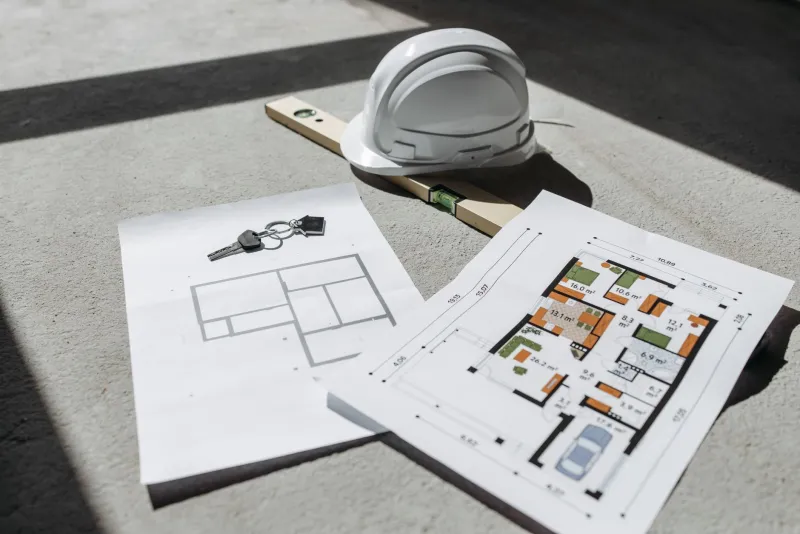
The Deals That Never Reach the Listing Page: How Japanese Buyers Can Access America's Hidden Property Market
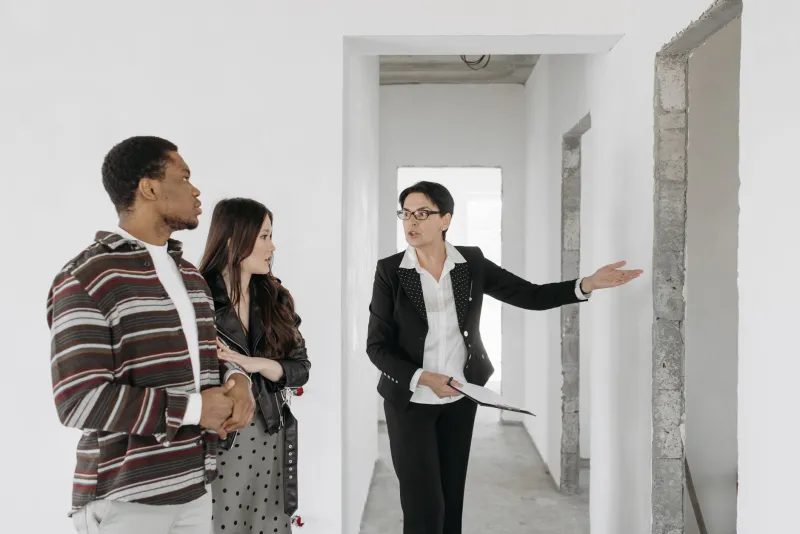
When most people think of searching for a home in America, they picture browsing Zillow at midnight, setting up automated alerts, and refreshing the MLS feed every few hours. This is, without question, how a large share of buyers operate. But beneath this visible layer of American real estate exists a quieter, more selective market — one where desirable properties change hands before a single photograph is uploaded, before a sign appears in the yard, and before the general public has any opportunity to compete.
For Japanese buyers and expats navigating the American housing landscape, this hidden market is both an opportunity and a puzzle. In Japan, real estate transactions are largely formalized through established channels, with standardized listings and regulated intermediaries. The informal, relationship-driven undercurrent that characterizes portions of the American market can feel opaque — even inaccessible. Yet the cultural values that Japanese buyers already possess may be precisely what opens those doors.
Understanding the Hidden Layers of American Real Estate
The American property market operates on multiple tiers simultaneously. The most visible is the Multiple Listing Service, or MLS — the shared database through which licensed agents post available properties and cooperate on transactions. This is the market most buyers engage with, and it is genuinely competitive, particularly in supply-constrained cities.
Below this surface, however, are what industry insiders call pocket listings or off-market properties. These are homes whose owners have expressed willingness to sell but have chosen — for reasons ranging from privacy to convenience to timing — not to list publicly. The transaction, if it happens, occurs through direct agent relationships, word-of-mouth referrals, or small, invitation-only networks of buyers and sellers.
A homeowner who recently lost a spouse may prefer to sell discreetly to avoid the intrusion of open houses. A developer completing a luxury building may offer early access to select buyers before the official sales launch. A longtime resident who trusts her neighbor's real estate agent may agree to sell before the property is formally listed. These scenarios are not rare — they are woven into the fabric of how American real estate actually functions at the higher end and in tightly held communities.
Why This Market Remains Invisible to Many Japanese Buyers
The challenge is not that Japanese buyers are excluded by design. It is that access to off-market opportunities is almost entirely dependent on relationships — and building relationships within American real estate networks takes time, cultural fluency, and deliberate effort.
In Japan, trust is often earned through institutional affiliation, formal introductions, and demonstrated professional standing. In the American real estate world, trust tends to be more personal and faster-moving. An agent who has worked with a buyer through one transaction, who has seen how they behave under pressure, who has received a referral from a mutual contact — that agent is far more likely to share an unlisted property with that buyer than with a stranger who submitted an inquiry form online.
For Japanese expats who are newer to a city, who may not yet have deep professional or social networks, and who may approach agent relationships with appropriate formality rather than American-style informality, building these connections can feel like a slow process. Meanwhile, buyers who have lived in the same neighborhood for years, who golf with the listing agent, or whose attorney knows the seller's attorney, may already have invisible advantages.
The Cultural Bridge That Japanese Buyers Already Possess
Here is what is worth recognizing: the qualities that Japanese buyers bring to real estate relationships are genuinely appealing to agents and sellers operating in this quiet market.
Sellers who prefer off-market transactions often do so because they want a smooth, respectful process. They are not looking for drama, aggressive negotiation tactics, or buyers who will back out over minor inspection findings. Japanese buyers, who are known for thoroughness, reliability, and composed communication, are frequently excellent candidates for exactly this kind of transaction — provided the right people know they exist.
The concept of anshin — the sense of security and peace of mind that comes from trusting someone's intentions and competence — applies here in a meaningful way. A seller who grants access to their home before it is publicly listed is extending a form of trust. Buyers who can demonstrate, through their conduct and their network, that they will honor that trust are well-positioned to benefit.
Practical Strategies for Penetrating the Off-Market World
Invest seriously in agent selection. The most direct path to off-market inventory is through a buyer's agent who is deeply embedded in the local market. This is not an agent found through a quick online search — it is someone with years of relationships in a specific geography, who attends local real estate association events, who is known by other agents as a professional worth doing business with. When interviewing agents, ask specifically about their access to off-market or pre-market properties and how they typically learn about those opportunities.
Communicate your seriousness early and clearly. In the American real estate world, agents prioritize buyers who are demonstrably ready to act. Obtaining mortgage pre-approval before you begin your search signals financial readiness. Being clear about your target neighborhoods, price range, and timeline communicates that you are a serious participant rather than a casual browser. Agents who see you as a qualified, decisive buyer are more likely to contact you when an unlisted property crosses their desk.
Expand your social and professional network with intention. Off-market access often flows through social proximity. Joining local community organizations, attending neighborhood events, connecting with Japanese-American business associations, and building relationships with professionals — attorneys, accountants, financial advisors — who frequently interact with real estate transactions all increase the likelihood that you will hear about opportunities before they reach the public market.
Consider writing a personal letter of interest. In some markets, buyers who have identified a neighborhood they love will send letters to homeowners expressing their interest in purchasing if the owner ever considers selling. This approach, while not universally effective, occasionally produces results in areas where long-term owners may be quietly contemplating a move. A thoughtful, respectful letter — the kind that Japanese buyers often write naturally — can open a conversation that a listing platform never would.
Work with professionals who serve the Japanese expat community. Real estate attorneys, buyer's agents, and relocation specialists who have experience working with Japanese clients often have relationships with others in that community. These networks can surface opportunities that circulate primarily among Japanese expats and their connections — a seller who prefers a Japanese buyer for cultural or personal reasons, or a property in a neighborhood with a strong Japanese-American community that rarely sees public listings.
Patience as a Strategic Asset
Accessing the hidden market is rarely immediate. It is the product of sustained relationship-building, consistent professional presentation, and a willingness to remain engaged even when the right property has not yet appeared. Japanese buyers who approach this process with the same patient diligence they might bring to any significant long-term endeavor are likely to find that the investment pays off — not just in finding a better property, but in building the kind of trusted relationships that serve them well throughout their time in America.
The most desirable homes do not always wait for you to find them. Sometimes, with the right relationships in place, they find you first.