When the Numbers Don't Agree: Understanding Appraisal Gaps in the American Home Buying Process

You have toured the neighborhood, reviewed the disclosures, and submitted an offer that was accepted. The process feels complete — until your lender orders an appraisal and the resulting figure lands several thousand dollars below the agreed purchase price. Suddenly, the transaction you believed was settled enters uncertain territory.
This scenario, known in American real estate as an appraisal gap, is more common than many buyers anticipate. In competitive housing markets across cities such as Austin, Seattle, Nashville, and the suburbs of major metropolitan areas, bidding wars routinely push purchase prices above what a licensed appraiser later determines the property to be worth. For Japanese buyers navigating American real estate for the first time, this disconnect can be both confusing and financially significant.
What an Appraisal Actually Measures
In the United States, mortgage lenders do not simply accept the purchase price as the definitive value of a property. Before approving a loan, the lender commissions an independent appraisal — a formal assessment conducted by a licensed professional who evaluates the home against recent sales of comparable properties, known in the industry as "comps."
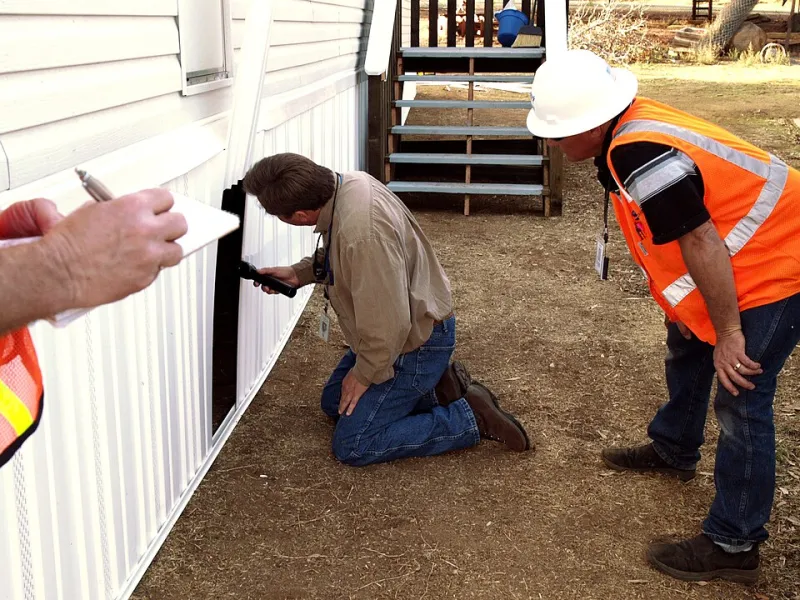
The appraiser visits the property, documents its condition, square footage, features, and location, then compares those attributes to similar homes that have sold within a defined radius, typically within the past three to six months. The final appraisal figure represents what the appraiser believes the property would sell for under normal market conditions — not necessarily what an eager buyer and seller have agreed upon in a heated market.
Lenders use this figure to determine the maximum loan amount they are willing to extend. If you agreed to purchase a home for $650,000 but the appraisal comes back at $620,000, the lender will generally only finance based on the lower number. The $30,000 difference becomes your responsibility to resolve.
Why Gaps Occur More Frequently Than Expected
Appraisal gaps emerge most frequently during periods of rapid price appreciation. When buyer demand outpaces available inventory, purchase prices can rise faster than the historical sales data that appraisers rely upon. An appraiser working in early spring may have access only to transactions that closed during the winter months — a period that may not reflect the intensity of current competition.
Additionally, in neighborhoods undergoing significant transformation — areas where new restaurants, transit improvements, or commercial developments have recently elevated desirability — the appraisal methodology may lag behind the lived reality of local demand. The appraiser is, by professional obligation, anchored to verifiable data. Buyer enthusiasm, however genuine, does not appear in a comparable sales report.
For Japanese buyers who may have relocated specifically to be near a particular school district, employer, or community, the emotional attachment to a specific property can make this data-driven cold water feel especially jarring.
The Appraisal Contingency: Your Contractual Protection
Most standard American purchase contracts include an appraisal contingency — a clause that gives the buyer the right to renegotiate or withdraw from the transaction without penalty if the appraised value falls below the purchase price. This contingency exists precisely to protect buyers from being legally obligated to complete a purchase that a lender will not fully finance.
However, in competitive markets, sellers and their agents often request that buyers waive the appraisal contingency as a condition of accepting their offer. This is a significant concession. Waiving this contingency means you are committing to complete the purchase regardless of what the appraisal reveals — and to cover any gap with your own funds.
For Japanese buyers who may be accustomed to more standardized transaction structures, the negotiable nature of American contract contingencies can be surprising. It is essential to review every contingency clause carefully with your buyer's agent and, where appropriate, with a real estate attorney familiar with the laws of the state in which you are purchasing.
Practical Paths Through an Appraisal Shortfall
When an appraisal gap materializes, buyers generally face four options, each with distinct financial and relational implications.
Renegotiate the purchase price. With the appraisal report in hand, you may approach the seller and request a price reduction to align with the appraised value. Sellers are not obligated to agree, but many will negotiate rather than lose the transaction and return to the market.
Cover the gap out of pocket. If you have sufficient reserves and the property genuinely meets your long-term needs, paying the difference between the appraised value and the purchase price may be a rational choice. This is essentially a form of additional down payment, though it does not reduce your loan balance in the way a conventional down payment does.
Split the difference. In many cases, buyers and sellers agree to share the gap — the seller reduces the price modestly, and the buyer contributes additional funds. This compromise preserves the transaction while distributing the financial burden more equitably.
Exercise the contingency and withdraw. If the gap is substantial and neither party is willing to negotiate, and if your contract includes an appraisal contingency, you may withdraw from the transaction and recover your earnest money deposit. While disappointing, this outcome protects you from a potentially unfavorable financial position.
A Note on Cash Buyers and Appraisal Exposure
Some Japanese buyers — particularly those making investments or relocating with corporate support — may be purchasing with cash rather than financing. In these situations, no lender-mandated appraisal is required. However, this does not mean appraisal awareness becomes irrelevant. A voluntary appraisal, ordered independently before closing, provides valuable assurance that you are not significantly overpaying relative to market value. The cost is modest; the protection it offers can be considerable.
Preparing Emotionally for the Possibility
One dimension of the appraisal gap that receives insufficient attention is its emotional weight. By the time an appraisal is ordered, most buyers have already begun imagining their lives in the property — arranging furniture in their minds, planning the commute, perhaps enrolling children in the local school. A lower-than-expected appraisal can feel like a disruption of something already settled.
At 安心住まい, we encourage buyers to approach this possibility not as a failure of the process, but as a built-in checkpoint — one designed to ensure that the largest financial commitment most families will ever make is grounded in verifiable reality. The American home buying system, for all its complexity, includes this mechanism for a reason.
Entering a transaction with clear knowledge of what appraisals measure, why gaps occur, and how they can be resolved transforms an anxiety-inducing moment into a manageable negotiation. That clarity is the foundation of a purchase made with genuine confidence — and a home in which you can settle with lasting peace of mind.