Quiet Strength: How Japanese Cultural Values Become Competitive Advantages in America's Hottest Housing Markets

In cities like Seattle, Austin, and the suburban corridors surrounding New York, competitive housing markets have become a defining reality of the American homebuying experience. Multiple offers arrive within hours. Escalation clauses are standard. Sellers hold all the leverage—or so it appears.
For Japanese buyers navigating this environment for the first time, the experience can feel disorienting. American real estate negotiations are often loud, fast, and emotionally charged in ways that run counter to deeply held cultural instincts. The impulse to move carefully, to avoid overstatement, to preserve harmony rather than press for advantage—these feel like disadvantages in a system that rewards assertiveness.
But that framing deserves a serious challenge. The cultural values that Japanese buyers carry into the market are not weaknesses requiring correction. With the right guidance, they are precisely the qualities that can set an offer apart—and win.
Reframing the Negotiation Landscape
American real estate negotiations are not purely transactional, even when they appear to be. Sellers are human beings making one of the most emotionally significant decisions of their lives. They are not simply choosing the highest number on a spreadsheet. They are choosing who will inherit the space where they raised children, hosted celebrations, and weathered difficult years.
This is terrain that Japanese cultural sensibility navigates naturally. The emphasis on reading a room, on understanding what is left unsaid, on acknowledging the weight of a moment—these are not soft skills. They are sophisticated forms of social intelligence that translate directly into real estate strategy when properly applied.
The goal is not to abandon cultural identity in order to compete. The goal is to deploy it deliberately.
The Power of Nemawashi Before the Offer
In Japanese professional culture, nemawashi—literally, the careful tending of roots before transplanting—refers to the practice of building consensus and gathering information before making a formal proposal. Nothing is rushed. Relationships are cultivated. The ground is prepared.
In competitive real estate, this principle has a direct application. Rather than submitting an offer cold, Japanese buyers who invest time in understanding the seller's situation before writing their bid consistently position themselves more effectively.
This means working closely with your buyer's agent to ask meaningful questions: Why is the seller moving? What timeline do they need? Are there contingencies that would complicate a clean close for them? Is the home part of an estate sale with emotional complexity? The answers to these questions, gathered carefully and respectfully through your agent, allow you to shape an offer that speaks to the seller's actual priorities—not just their asking price.
A buyer who demonstrates genuine awareness of a seller's circumstances communicates trustworthiness. In a competitive field where several offers may be financially similar, that quality can be decisive.
Attention to Detail as a Form of Reassurance
Japanese professional culture places enormous value on precision—on documentation that is complete, communication that is clear, and follow-through that can be relied upon. In American real estate transactions, these qualities are rarer than one might expect, and sellers notice their absence acutely.
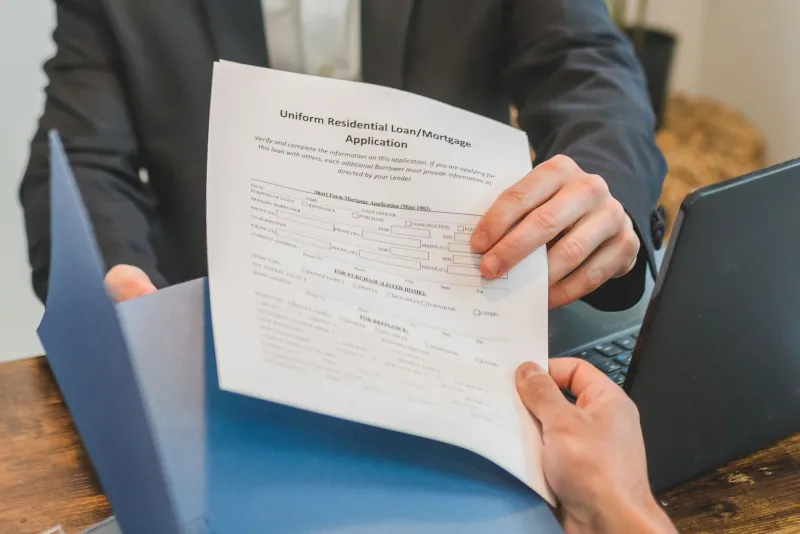
An offer submitted with all required documents properly organized, pre-approval letters that are current and specific to the purchase price, and a cover letter written with care signals something important to a listing agent: this buyer will not cause problems. They will not disappear during due diligence. They will not manufacture reasons to renegotiate at the last moment.
This may seem like a low bar, but experienced listing agents will tell you that a surprising number of accepted offers fall apart due to buyer disorganization, miscommunication, or cold feet. A buyer who projects calm competence and meticulous preparation is offering the seller something beyond price: certainty.
Crafting a Buyer Narrative That Resonates
Many American real estate markets permit, and even encourage, the submission of a personal letter from buyer to seller alongside a formal offer. These letters are sometimes discouraged by agents concerned about fair housing compliance, and it is important to work within your agent's guidance on this point. Where they are appropriate, however, they represent an opportunity that Japanese buyers are often uniquely positioned to use well.
A well-written buyer letter does not beg or flatter. It does not enumerate financial qualifications. It tells a truthful, specific story about why this particular home matters—and it does so with restraint. The Japanese literary tradition of ma, the meaningful use of space and silence, applies here. A letter that says precisely what needs to be said, and nothing more, tends to leave a stronger impression than one that overexplains.
If your family has relocated from Japan for professional reasons, if your children are beginning a new chapter in an American school, if this home represents a genuine commitment to building roots in a community—these are honest and compelling details. Shared with dignity and without sentimentality, they can connect with a seller in ways that a higher offer number cannot.
Strategic Patience in an Impatient Market
One of the less discussed advantages available to prepared buyers is the willingness to wait for the right moment. Not every home in a competitive market receives multiple offers on its first weekend. Not every listing generates a bidding war. Markets cycle within themselves—a property that attracted ten offers in March may sit longer in August.
Japanese buyers who resist the pressure to pursue every available listing, and instead concentrate their energy on properties where their specific strengths align with the seller's needs, tend to experience less exhaustion and greater success. This is not passivity. It is the disciplined conservation of attention—a principle well understood in Japanese strategic thinking, from go to business negotiation.
Your agent should understand your criteria with enough depth to alert you when a situation arises where your profile as a buyer is particularly well-suited. A seller who values a clean, well-documented offer from a financially stable buyer with no contingency complications may be waiting for exactly what you bring.
Building Trust Across Cultural Distance
Finally, it is worth acknowledging that some sellers and listing agents may hold unfamiliar assumptions about Japanese buyers—about communication styles, decision-making timelines, or cultural context. The most effective response to this is not defensiveness, but demonstration.
Japanese buyers who communicate clearly through their agents, who respond promptly and professionally, and who show up to the process with evident preparation tend to dissolve those assumptions quickly. The experience of working with a buyer who is organized, respectful, and reliable is its own argument.
At 安心住まい, we believe that finding your place in America does not require you to become someone else. It requires understanding which parts of who you already are carry the most value in this new context—and bringing those forward with confidence.
The quiet offer, made at the right moment, with the right preparation behind it, has won many a competitive bid. Yours may be next.